PIAZZA TORRE DI BERTA
Home » Sansepolcro »
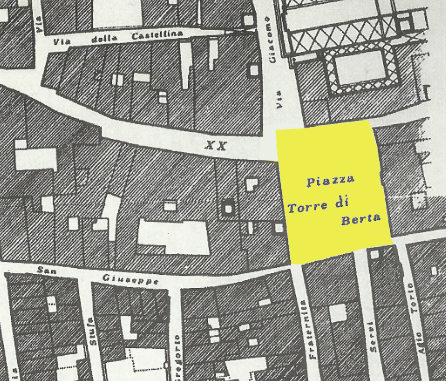
The square is located in the center of the city and precisely at the intersection of the two main axes: the Decumano (West-East, now Via XX Settembre) and the Cardo (North-South, now Via Matteotti-Via della Fraternita). The square, today called Piazza Torre di Berta, has a quadrangular shape but before 1868 it was not like this. The historian Ercole Agnoletti documents in the year 1198: “Great movement in the center of the village. Twenty of the leading families, including the Graziani, the Bofolci, the Dotti and the Gherardi, to defend the Signori XXIV from "popular insults", built the tower which will be called Berta. The land was offered by Borofolo and Fragno Graziani". The bell of the castle of Mansciano was placed in the tower, destroyed along with other castles located on the hills originally built for safety and defense, by order of Lord XXIV. Again the historian Agnoletti reports in the year 1840: “Piazza Torre di Berta was the place of market and gathering of livestock, for watering at the public source. It was decided to demolish a vast area of buildings owned by the Galardi family, isolating the tower, in the center of a vast square."
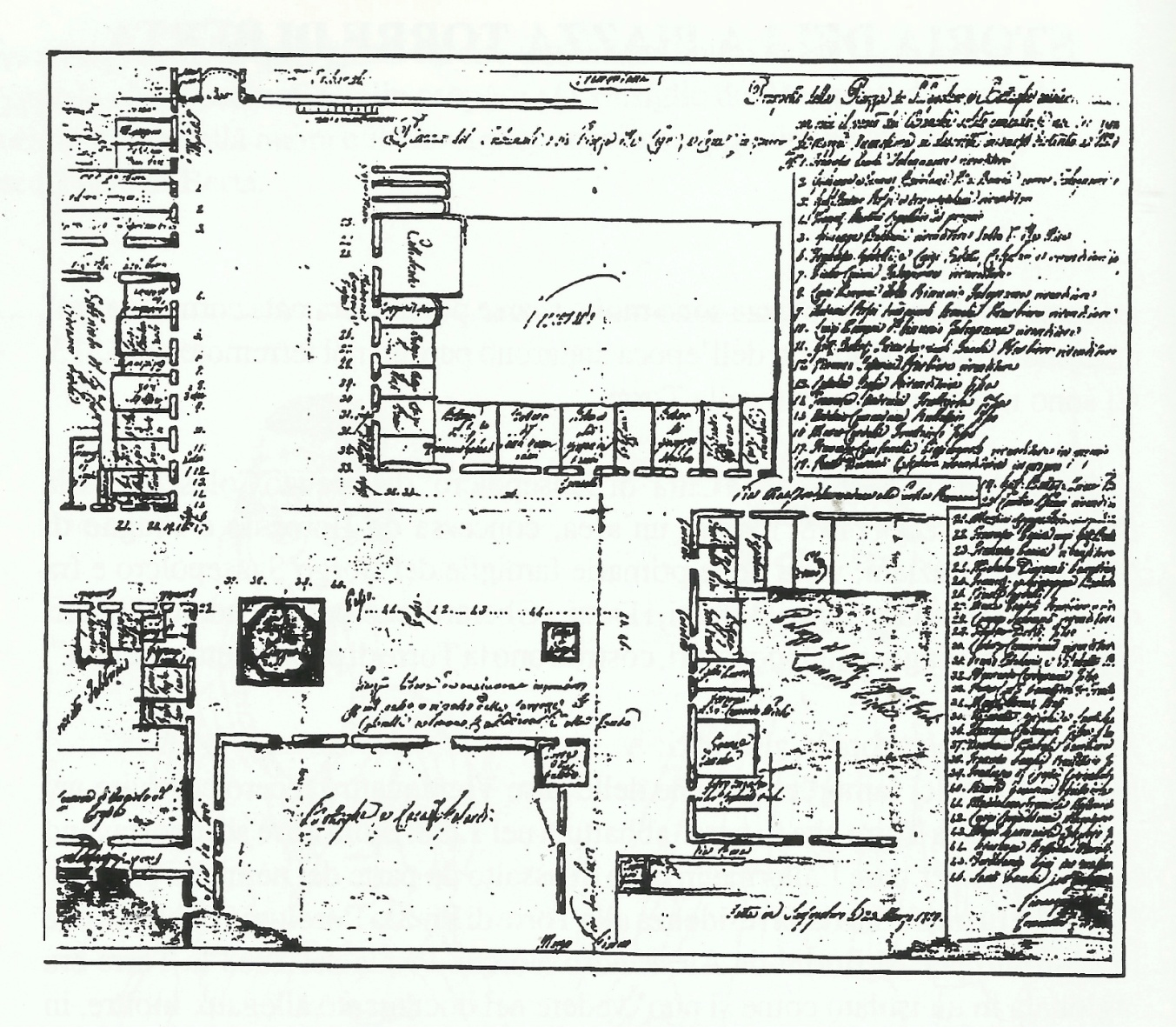
Fig.1 – Plan of the Piazza Torre di Berta dated 1819, Sansepolcro Library
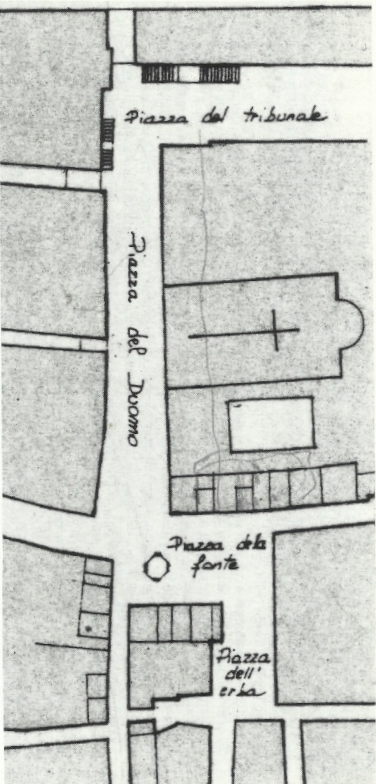
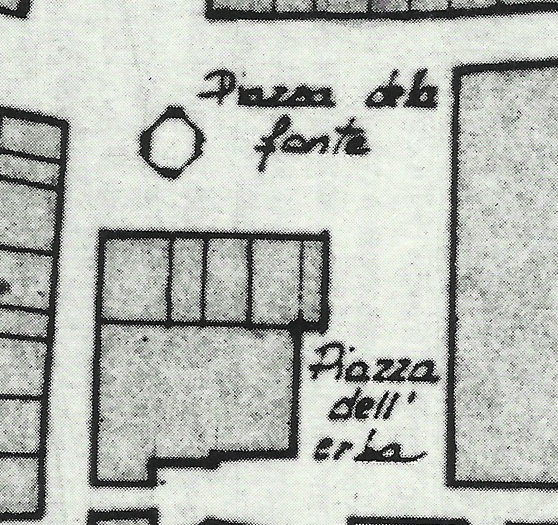
Fig. 2 – Drawing of what the Piazza Torre di Berta looked like before 1868. Detail of the fountain
In the photo of the Square from 1819, the measurements of the spaces are not real but, in addition to the Fountain and the Cross in the square, the shops that were on the ground floors of the buildings and the spaces on the square reserved for the market are also marked. From the plan it is possible to deduce a notable and voluminous building owned by the Galardis which has, incorporated in the right corner, a tower named the Berta. The Square thus presented two very distinct areas with their own names: to the north, Piazza della Fonte and to the south, Piazza delle Erbe. With the demolition of the Galardi palace, the Square was enlarged but we no longer find the Fonte which was on the right near the Besi palace nor the Cross, on the left near the Pichi palace.
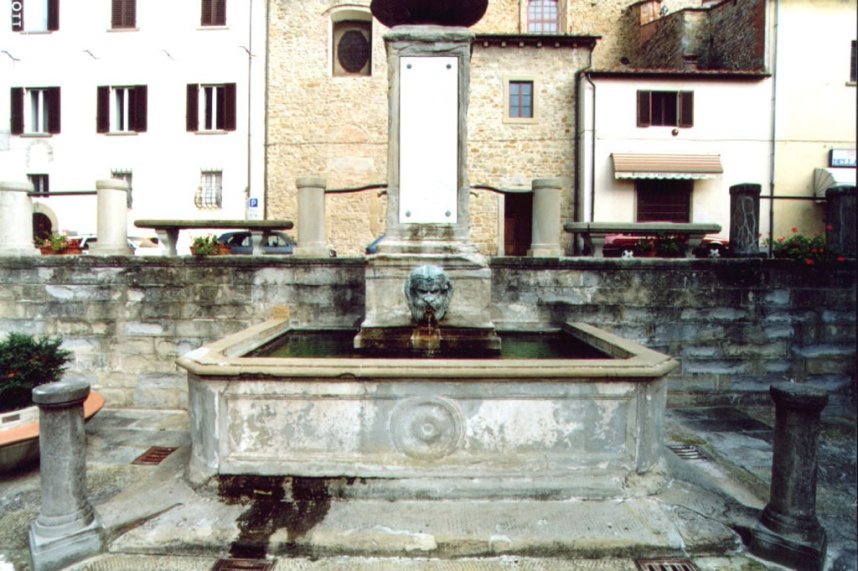
Fig. 3 – Fountain, Piazza Garibaldi, Sansepolcro
The Water Source, on a square base, had an octagonal shape and was not lost totally , but was partly used for the Fountain in Via della Fonte, near Palazzo Pretorio, in Piazza Garibaldi.
The Berta Tower, 38 meters high, thus remained isolated in the large square that had formed and became the symbol of Sansepolcro. Attilio Brilli, scholar of the phenomenon of the Grand Tour (the long journey through the countries of Europe, including Italy, reported Sansepolcro certainly to be one of the favorite destinations, undertaken by young people from the rich European bourgeoisie in the 18th century, aiming to enrich their culture), Reports among the testimonies recall the mystery of curiosity and fascination exerted on travelers by the Berta Tower, when it stood in the center of the square.The American Katherine Hooker from 1902 describes the tiring ascent to the belfry. “In the main square of the city, around which there are many shops and ancient stone buildings, there is a high isolated tower, solid and square, called Torre di Berta…”. Among the travelers of the Grand Tour we also learn of Joseph Pennell, an American illustrator, engraver and writer. He was an attentive traveler who recorded images of the cities and countryside of Tuscany. His numerous drawings, watercolors and pastels of Tuscan subjects are preserved in the Cabinet of Drawings and Prints of the Uffizi Gallery. The artist Pennell arrived in Sansepolcro in the early twentieth century, in an important stage of his journey in search of the works of Piero della Francesca in Arezzo and Urbino. In his travel notebook he painted views of Sansepolcro, a drawing of Porta Fiorentina from 1899 and the Torre di Berta from 1904.
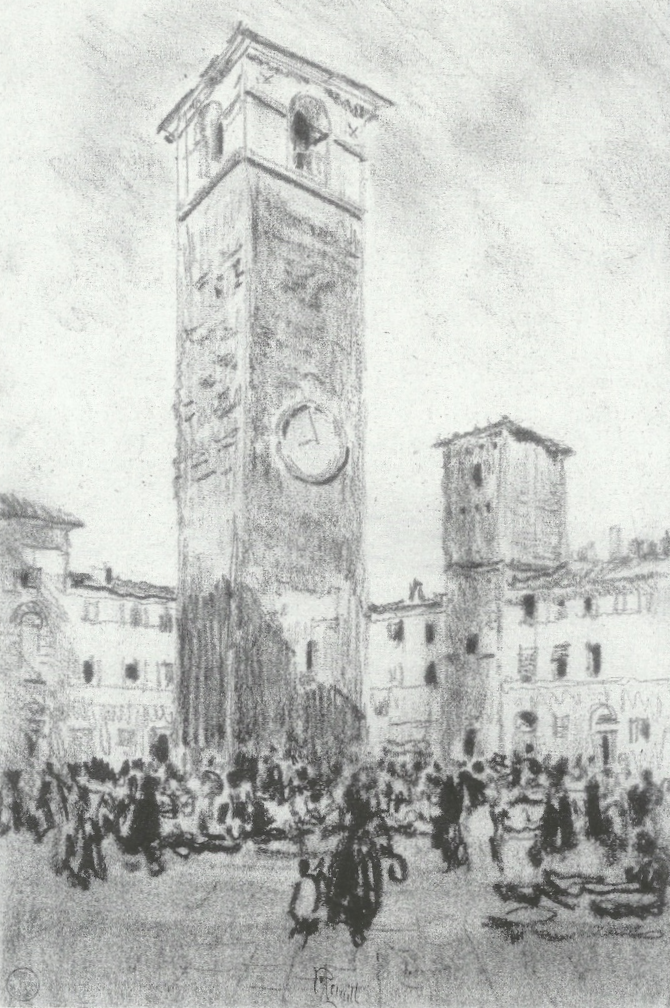
Fig. 4 – Joseph Pannell, Berta's Tower, 1904, Florence, Uffizi Gallery
NAME OF THE SQUARE: “odonomastica”
“This square has changed many names over the centuries: in fact it was called in subsequent periods Piazza Torre di Berta, Piazza dell'Orologio, Piazza Vittorio Emanuele II and Piazza Ettore Muti, until it resumed its original name. Since around 1200 we find in ancient documents “Piazza della Torre”, known as Berta’s Square. The etymology "Berta", dating back to the medieval period, means to mock; therefore it is thought that criminals were pilloried in this place. In the 19th century, when the public clock was placed in the tower, the square took on the name of "Clock Square".
On 9 June 1882 the Municipality of Sansepolcro decreed to give a new name to the main square of the city, to commemorate King Vittorio Emanuele II, who had died a few years earlier in 1878, and to enhance the memory of one of the architects of the Unification of Italy. This is the motivation with which the members of the City Council decided to change the name of the square: "... at the same time executing the Decree of this City Council of 14 February 1878 with which it was ordered to decorate with the name Augusto di Vittorio Emanuele II. The square retained this name until the Second World War, when it was named after Ettore Muti, secretary of the National Fascist Party, who died in 1943. In this period Mussolini, head of the Republic of Salò, wanted to exalt the figures of the representatives of the Fascist Party who remained faithful to him and erase from historical memory those who were guilty of the betrayal committed against him. In the Grand Council of 25 July, The Municipality of Sansepolcro, still under fascist rule, brought into force a state law, which provided for the elimination of naming squares or streets that recalled the House of Savoy, seen by Mussolini as traitor.
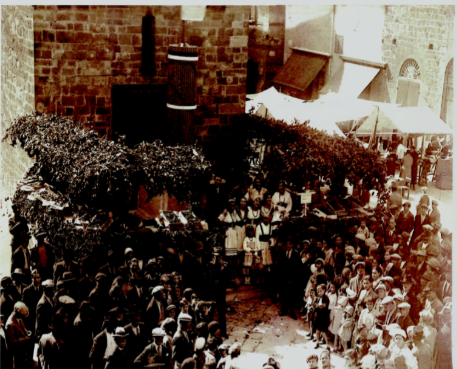
Fig. 5 – Grape festival, September 1930-35, Photo Amedeo Casadio, Gino Bini Archive
In the summer of 1944, the Germans withdrew from Sansepolcro and on 9 November 1944 the dedication to Muti was also removed and replaced with the original one of Piazza Torre di Berta as the ancient tower, built in this square in the 13th century, had been destroyed in that year, on the night between 30 and 31 July, 1944 by German troops.1
1ROSALBA BRIZZI, La Piazza Torre di Berta, Notturno al Museo 1997.
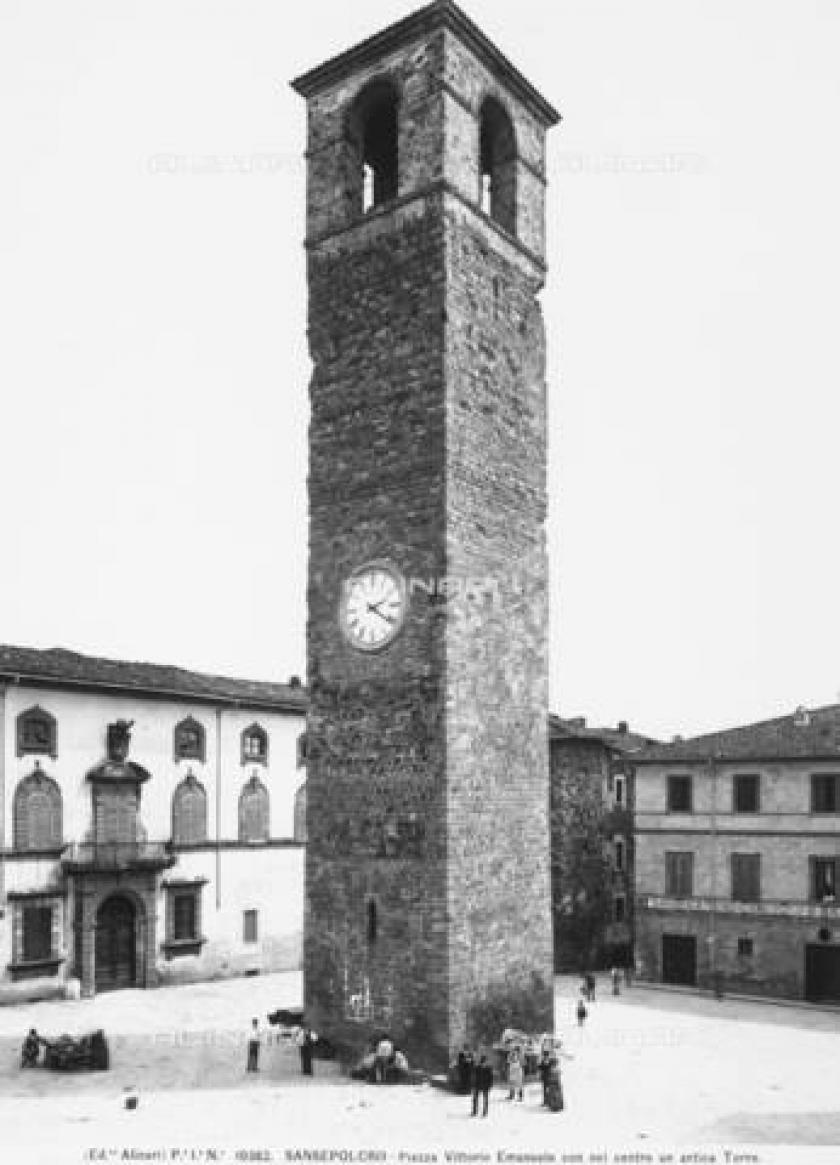
Fig. 6 - Berta's Tower
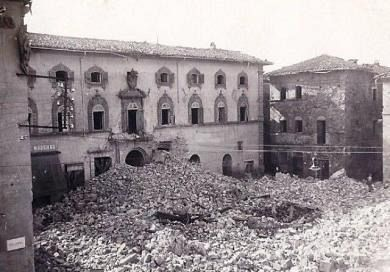
Fig. 7 - Demolition of the Tower by the retreating Germans on 31 July 1944
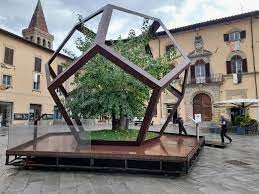
Fig. 8 - The dodecahedron with the mulberry tree
The square currently features a work of art piece owned by Valentino Mercati, founder and president of the Aboca company: it is a large polyhedron, a dodecahedron with a mulberry tree enclosed within it. The "dodecahedron" and the "mulberry" were the symbol of the beautiful exhibition Leonardo's Botany, held in 2019 in Florence in the Santa Maria Novella complex, organized by Aboca. The symbolic harmony and perfection implicit in regular polyhedra found correspondence in Renaissance artists such as Leonardo da Vinci and Piero della Francesca. Leonardo designed the polyhedra for Luca Pacioli's "De Divina Proportione", printed in Venice in 1509. The Dodecahedron (the quintessence) is the Ether, the purest part of the air, the Sky. Plato uses these terms: "a fifth combination remained and God used it to decorate the universe". The “De Divina Proportione” was the pinnacle of the rediscovery of the Platonic Solids in the Renaissance. The five regular bodies mentioned in Piero della Francesca's work, “Libellus de quinque corporibus regularibus” and Pacioli's “De Divina Proportione”, are the so-called “Platonic solids”, i.e. polyhedra whose faces are all equal regular polygons.
PALACES
The buildings that overlook the now empty space of the square are notable both for the grandeur of their structure and for their architecture. They are easily identifiable in the plan below.
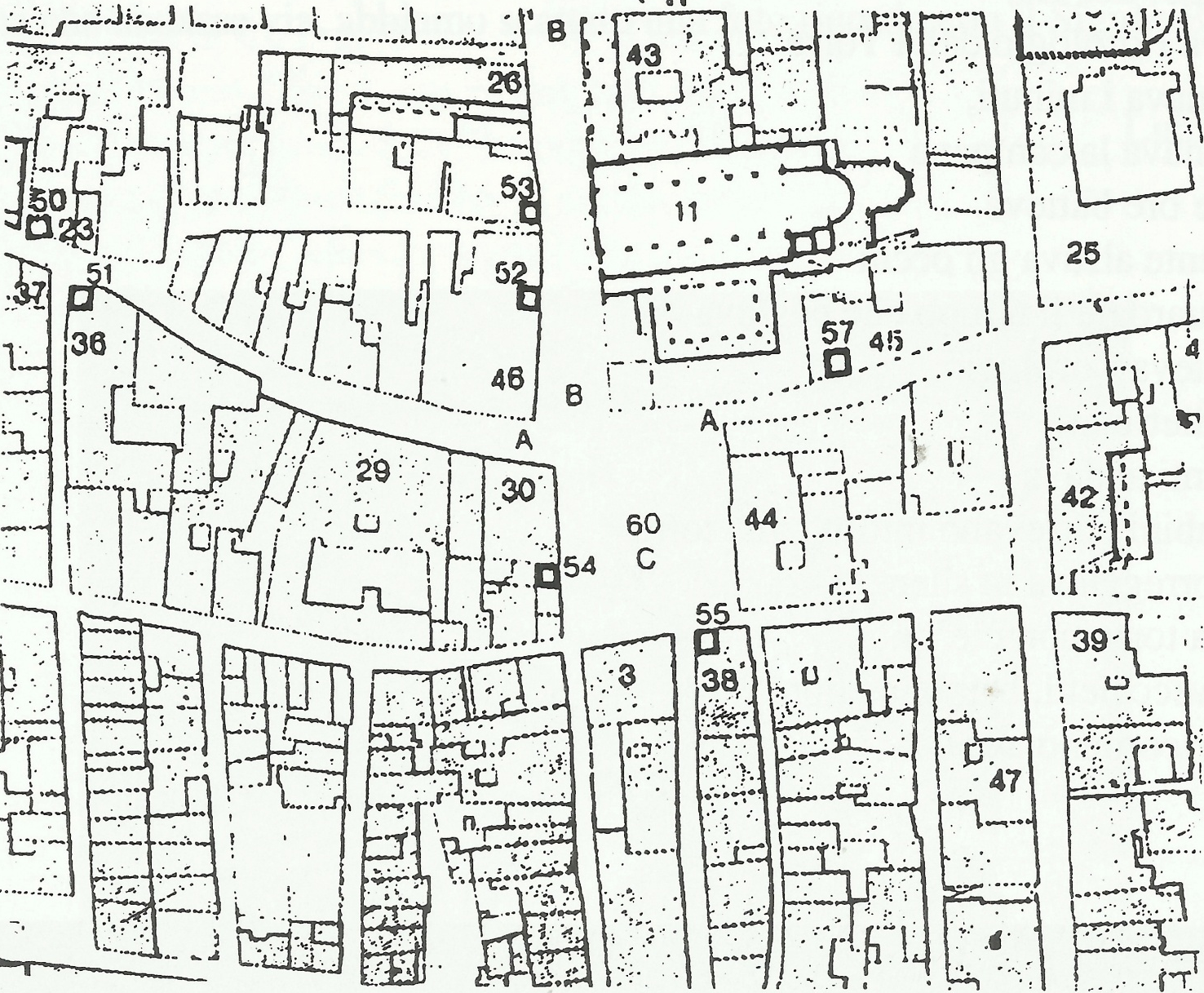
Fig. 9 - Plan from 1963
GIOVAGNOLI PALACE (38)
The Palace is situated between the via AgioTorto and Via dei Servi, a building of the X111 century and englobes a mighty tower also from the thirteenth century. The tower during time has been reduced in height as was the case with other towers in the historical center as a consequence of numerous earthquakes. The historian Agnoletti reports that this palace was the oldest of those possessed by the noble family Giovagnoli and for its beauty was called ‘The Tower’. At the top is the family emblem Giovagnoli, although barely legible.
FRATERNITY PALACE (3)
On the south side of the square, between Via dei Servi and Via della Fraternita, there is the building that belonged to the Confraternity Company of San Bartolomeo adjacent to the Hospital. It was the seat of the Priors of the Brotherhood but the facade was modest and was not visible, covered by the Galardi palace and only when this was demolished in 1868, the facade was visible on the square. The current appearance of the ancient building is due to a recent intervention by the architect Giovanni Cecconi. The ancient facade is located in via della Fraternita; the building dates back to the 15th century and was the hospice for the "Gettatelli", i.e. the abandoned children that the Company was responsible for raising and educating.
BESI PALACE (30)
The building, built between the end of the fifteenth century and the beginning of the sixteenth century, overlooks the square and Via XX Settembre.
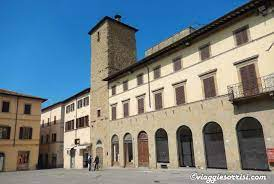
Fig. 10 – Palazzo Besi, (BESI PALACE) western side with a “decapitated” or reduced tower
On Via XX Settembre the Palace, on the ground floor, has four high openings with round arches and above the mascapiano four windows framed and architraved with pietra serena; on the service floor the windows are repeated but only smaller. The side overlooking the square has the same rhythm of openings but more numerous and incorporates a quadrangular tower reduced in height for safety. In the corner, a terrace. It was heavily damaged by the mines that knocked down the Berta Tower in the 1944 war.
PICHI PALACE (44)
The east side of the square is entirely occupied by Palazzo Pichi, the most majestic of the various residences that the noble family owned in Sansepolcro. It was built towards the end of the sixteenth century, merging with previous medieval buildings; in fact you can see to the left side, the medieval stone doors of shops and warehouses. On the ground floor, in the centre, you can see the large, rusticated door, above which there is a balcony with an iron railing. Above the terrace window there is a large Medici coat of arms that reaches up to the service level. Above the stringcourse there are eight large ashlar windows on the main floor, above the eight windows on the service floor, smaller but still ashlar. To the back of the palace there is the garden.
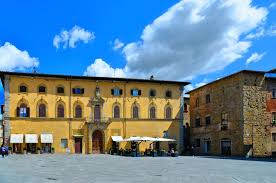
Fig. 11 - Pichi Palace ,late 16th century, eastern side of the square
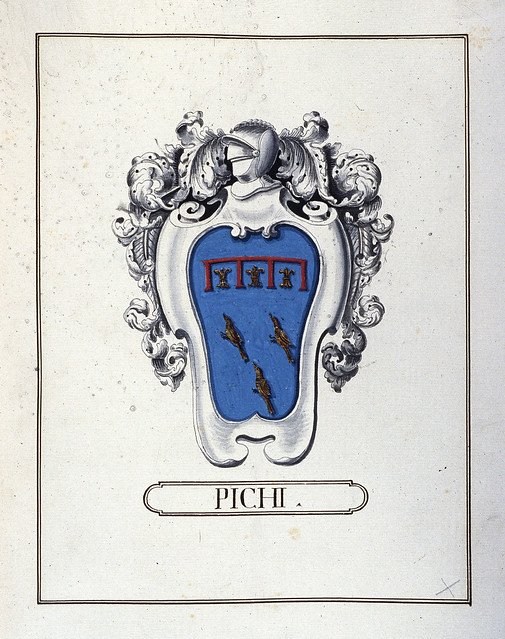
Fig. 12 - Coat of arms of the Pichi family
BISHOP'S PALACE
On the north side of the square you can see the right side of the Bishop's Palace. In the corner with Via Matteotti there is a large stone Medici coat of arms, which was affixed in the sixteenth century, after Pope Leo. The palace was the ancient Benedictine Abbey, then Camaldolese, from the year 1000; it was lowered by one floor in 1789, due to the damage caused by the strong earthquake of September 30, which damaged numerous buildings. The current appearance dates back to 1801. On the ground floor, as shown in the plan of the Piazza Torre di Berta of 1819 (Fig. 1), you can see the numerous shops that overlooked the square and the Via Maestra, a stretch of the ancient Roman road, which crossed the city from West to East and the entire Tiber Valley. Even today you can admire, in some rooms, beautiful Romanesque capitals from the 12th century (Prof. Mario Salmi), perhaps evidence of spaces of the ancient Abbey.
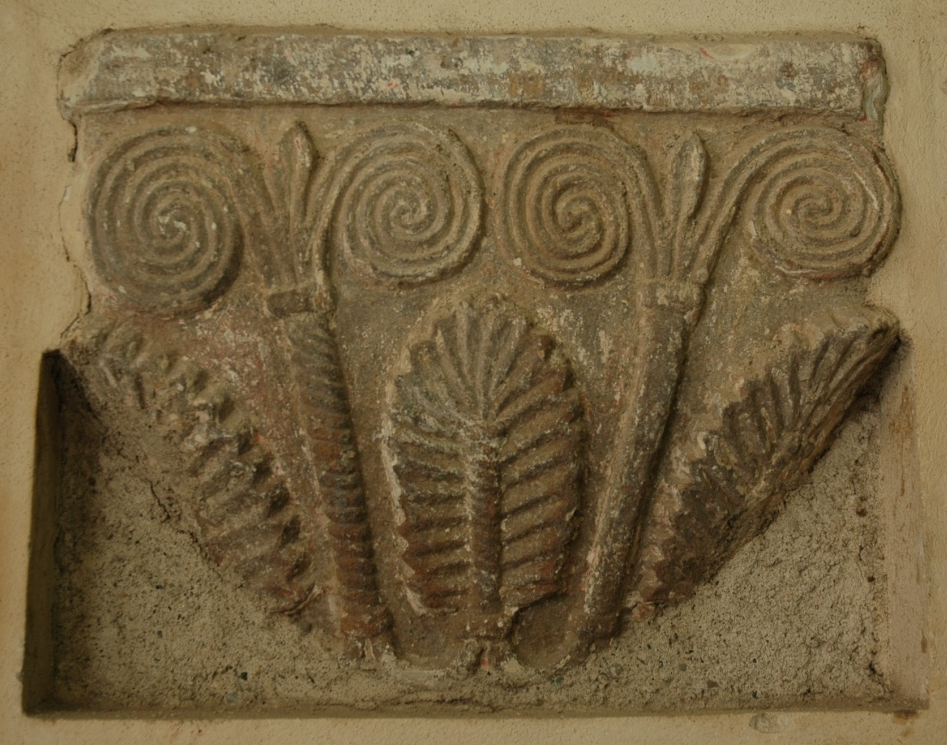
Fig. 13 - Romanesque capital of the XII century. – Via XX Settembre n.120 (Salmi)
BIBLIOGRAFIA
ERCOLE AGNOLETTI, Memorie di Sansepolcro, Arti Grafiche, Sansepolcro, 1986.
ATTILIO BRILLI – FRANCESCA CHIELI, Sansepolcro e i suoi musei, Itinerari d’Arte, Arti Grafiche Motta, Milano 2004.
ROSALBA BRIZZI, La Piazza Torre di Berta, Notturno I Museo, 1997.
ATTILIO BRILLI, BORGO S. SEPOLCRO, La città di Piero della Francesca, ERI Edizioni Rai, Tibergraph, Città di Castello, 1991.
FRANCESCA CHIELI, Conoscere Sansepolcro Arte e Storia, Edizioni Nuova Prhomos, 2021.
LORENZO COLESCHI, Storia della Città di Sansepolcro, Atesa Editrice, Bologna, 1982.
G. FANELLI e G.F. DI PIETRO, La Valle Tiberina Toscana, Firenze, 1973.
ENZO MATTESINI, Toponomastica borghese, Petruzzi Editore, Città di Castello, 2023.
ANGELO TAFI, Immagine di Borgo Sansepolcro, pag. 397, Calosci-Cortona, 1994.
Studio di Nicoletta Cosmi